2nd Edition of Cell & Gene Therapy World Conference 2026
Speakers - 2026
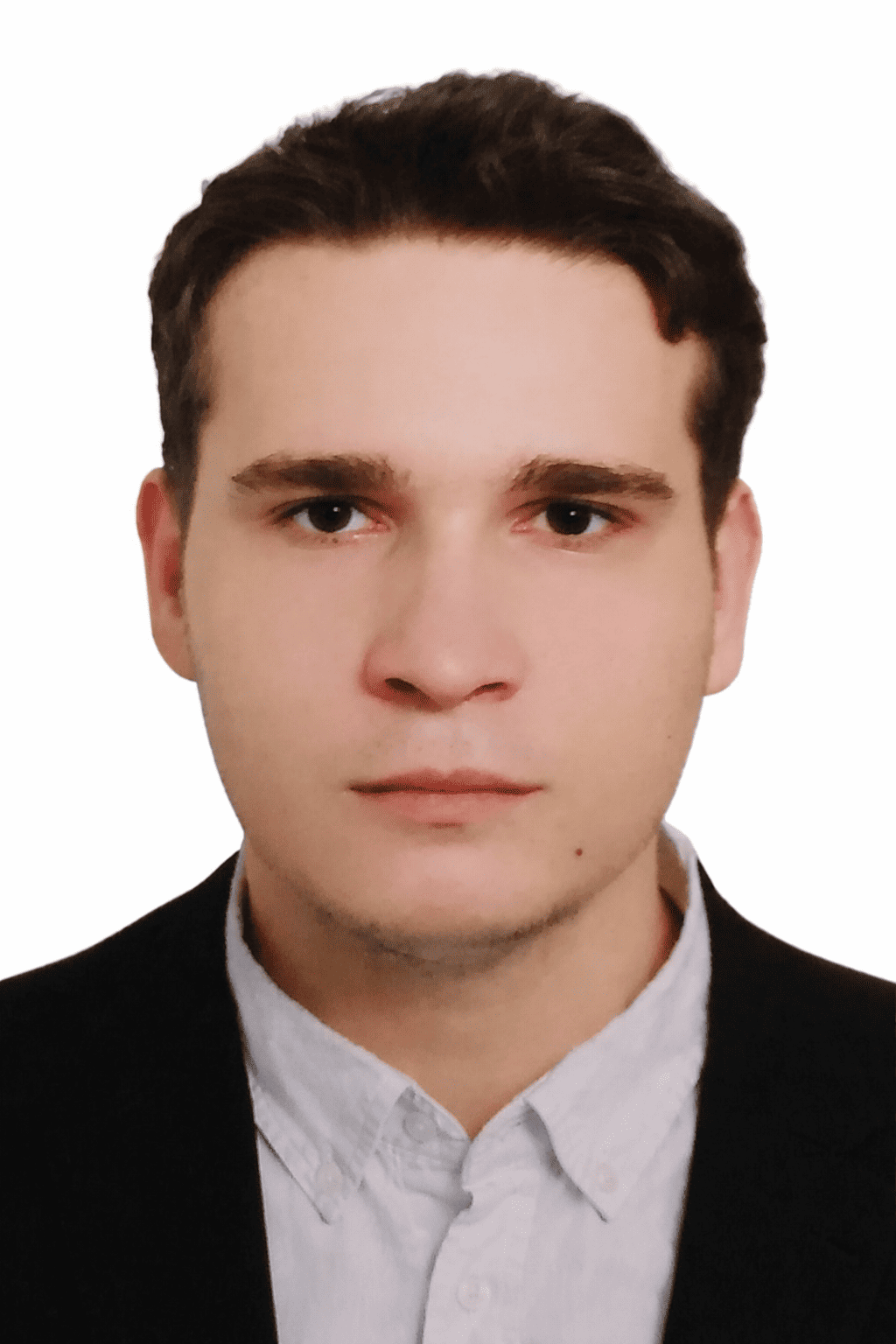
Boris Pokhil
Boris Pokhil
- Designation: Center of biotechnological research KromBIO
- Country: Russian Federation
- Title: Next steps in the generations of CAR T therapies and beyond
Abstract
CAR-T therapy was first used against HIV infection. Simultaneously, first-generation chimeric antigen receptor (CAR) T cells were developed for cancer treatment. Second generation CAR-T therapy is well-known to be highly effective against hematological malignancies. It is often used as a last resort in an attempt to save a patient. Clinical practice has revealed various problems and restrictions which lead to severe side effects or are largely ineffective against solid tumors. For example, there are difficulties with selectivity. Insufficient selectivity will cause high cytotoxicity on the other hand; high selectivity often leads to antigen escape and significantly increases the risk of relapse. Immunosuppression, dense stromal matrix, and many other specificities of the aggressive microtumor environment significantly decrease the efficacy of CAR-T therapy. Another problem is the high cost of this therapy, due to the high degree of personalization of this therapy. New types of the second, the fourth and the fifth generation of CAR cells appeared as an attempt to overcome these challenges. CAR therapy is one of the most promising cell-based therapies. Between 2010 and 2019, approximately 12,000 articles on CAR therapy were published. In just the last six years (2020–2026), this number has risen to nearly 16,000, reflecting growing academic interest in the field. This trend indicates growing interest in it from academic society. Fourth-generation CAR cells are engineered to secrete a specific protein upon activation. Fifth-generation CARs, in contrast, are characterized by an additional JAK/STAT signaling pathway. These advancements represent ongoing efforts to improve CAR therapy efficiency. Switchable and adapter CAR platforms offer a means to significantly increase in selectivity. In response to extracellular signals therapy the activity of CAR cells can be stimulated or, conversely, inhibited. Adapter CAR cells can’t attack patient cells until an adapter molecule is present. This molecule binds the CAR and tumor antigen allowing the CAR cell to activate. Cell adaptation to the tumor microenvironment allows us to increase both efficiency and selectivity. CAR cells’ genes are edited to overcome the effects of immune checkpoint inhibition. Researchers designed the CAR to be activated only in the tumor microenvironment or became sensitive to the presence of tumor antigens. Laboratory methods to use instead of T cells macrophages and natural killers for CAR therapy reduce immunogenicity and increase efficiency by using immune mechanisms inaccessible to T cells. Allogeneic therapy adapted for CAR cell therapy allows us to use one cell line to treat multiple patients and avoid an immune response. There are also cells that trigger the expression of specific genes in response to activation using the SynNotch receptor or TEV proteases. These approaches significantly expand the scope of usage CAR therapy thereby increasing its accessibility. This wealth of the new CAR methods raises the question of new universal functional cell therapy as the next step in the developing of cell-based therapeutics. In this work we review the newest achievements of CAR T therapies and make suggestions about future perspectives.
The 2nd Edition of Cell & Gene Therapy World Conference (CGTWC 2026) is one of those leading events that would stand high in biology and medical science. CGTWC 2026 will be held in ...
Read More>>
Organizer
